


Portable Wheelchair Ramp
Добавяне на преглед СледвайПреглед
-
Дата на основаване декември 2, 2004
-
Сектори Health Care
-
Публикувани работни места 0
-
Прегледани 20

Описание на компанията
9 Lessons Your Parents Taught You About Portable Disabled Ramp
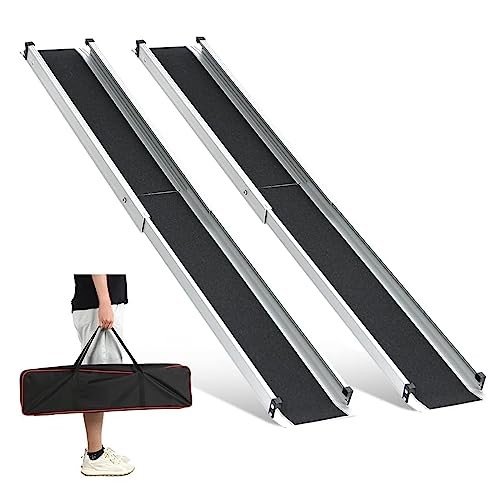
Portable Ramps: A Comprehensive Guide
In today’s world, accessibility is a basic right, making it possible for individuals with Mobility Ramps For Home obstacles to navigate their environments with ease. Portable Ramps For Wheelchairs Disabled Ramps play an important function in this accessibility, functioning as adaptable options for both temporary and irreversible usage. Whether for wheelchair users or individuals with strollers, portable ramps offer versatility and convenience. This blog site post digs into the numerous elements of portable ramps, including types, features, advantages, and setup pointers.
What is a Portable Ramp?
A portable ramp is a mobility help created to help individuals in getting rid of challenges such as stairs or curbs. These ramps are lightweight, foldable, and simple to carry, making them an ideal choice for both indoor and outside usage. They can be built from numerous products, consisting of aluminum, rubber, and wood, each offering unique advantages.
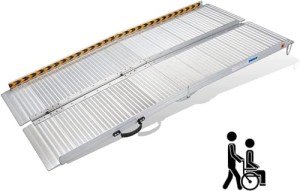
Table 1: Types of Portable Ramps
| Type | Description | Typical Uses |
|---|---|---|
| Wheelchair Ramps | Designed particularly for wheelchair access. | Home entryways, lorries |
| Threshold Ramps | Brief ramps for doors or small steps. | Doorways, limits |
| Folding Ramps | Ramps that fold for easy storage and transport. | Temporary use in public areas |
| Roll Up Ramps | Flexible ramps that can be rolled up for transportation. | Occasions, outdoor activities |
| Bi-fold Ramps | Ramps that fold in half for easy handling. | Action access, lorries |
Advantages of Using Portable Ramps
1. Enhanced Accessibility
Portable ramps supply individuals with mobility challenges the ability to access different environments without assistance. They assist remove barriers and promote self-reliance.
2. Flexibility
These ramps can be utilized in a range of locations, making them versatile for personal usage. They can accommodate wheelchairs, scooters, and walkers in varied settings, including homes, offices, and public areas.
3. Easy Installation
Many portable ramps need very little assembly and can be rapidly deployed. This ease of setup makes them perfect for temporary situations, such as outside occasions or taking a trip.
4. Lightweight and Sturdy
Built from lightweight products like aluminum, portable ramps are simple to bring without compromising resilience. They can support considerable weight, making sure safety for users.
5. Cost-Effective Solution
Purchasing a portable ramp is typically more affordable than making permanent structural changes, such as installing a repaired ramp or elevator.
6. Transport-Friendly
The majority of portable ramps are foldable or collapsible, making them convenient for transportation in vehicles. Their style permits easy storage when not in use.
Table 2: Features to Look for in Portable Ramps
| Feature | Value |
|---|---|
| Weight Capacity | Guarantee it can support desired usage. |
| Material | Resilience and weather resistance. |
| Surface Texture | Avoid slip and enhance traction. |
| Length and Gradient | For safe access reliant on height. |
| Mobility | Lightweight or foldable for easy transport. |
Factors to consider When Choosing a Portable Ramp
When selecting a portable ramp, it is necessary to consider numerous aspects to ensure it satisfies the user’s requirements:
1. Weight Capacity
Constantly inspect the weight capability of the ramp to make sure that it can accommodate the user and their equipment easily.
2. Gradient and Length
Ramps need to have a progressive slope for safe use. As a rule of thumb, a 1:12 slope (one inch of height for each 12 inches of ramp) is often advised.
3. Mobility Equipment Compatibility
Guarantee the ramp’s dimensions are appropriate for the specific mobility device being used, whether it be a wheelchair, walker, or scooter.
4. Surface area Texture
The ramp’s surface area should supply appropriate traction to avoid slipping, especially in wet or outside conditions.
5. Material Durability
Select ramps made from robust products that can withstand ecological aspects, especially for outdoor usage.
6. Mobility
Think about whether the ramp is simple to transportation and store, especially if you plan to take it on the go.
Setup and Usage Tips
1. Examine the Environment
Before setup, evaluate the area where the ramp will be used. Look for stable surfaces free of particles or challenges.
2. Level the Ramp
Ensure the ramp is level; this will enhance safety and help with smooth access for users.
3. Secure the Ramp
If possible, protect the ramp in place to prevent motion throughout usage. Many ramps come with non-slip bases for added stability.
4. Test the Ramp
Before complete usage, test the ramp with a steady climb and a constant weight to assess its efficiency.
5. Routine Maintenance
Examine ramps routinely for wear and tear, particularly at the hinges, folding mechanisms, and surfaces. Tidy the ramp regularly to preserve its condition.
Regularly Asked Questions (FAQs)
Q1: Are portable ramps suitable for outside usage?
Yes, many portable ramps are designed for outside usage, but it’s necessary to check the product for weather condition resistance and sturdiness.
Q2: How do I figure out the ideal length of a portable ramp?
Follow the 1:12 slope guideline: for every single inch of height, you require a foot of ramp length. Procedure the height of the action or curb, and calculate the ramp length accordingly.
Q3: Can portable ramps be used for cars?
Yes, specifically designed portable ramps are offered for vehicle access, enabling wheelchair users to get in and leave their cars securely.
Q4: How much do portable ramps generally cost?
Expense can differ substantially based on size, material, and features. Basic models begin around ₤ 100, while heavy-duty ramps can range from ₤ 500 to over ₤ 1000.
Q5: Are there weight limitations for portable ramps?
Yes, each ramp has actually a specified weight limit. Make certain to examine the manufacturer’s standards to make sure safety.
portable disabled ramp ramps are vital tools that substantially improve accessibility for people with Mobility Ramp challenges. By understanding the numerous types, advantages, and factors to consider for portable ramps, users can make informed choices to improve their day-to-day lives. Whether for temporary usage at occasions or a long-term solution to navigate home steps, portable ramps offer the needed assistance and independence to many individuals. As society continues to focus on inclusivity, portable ramps will remain essential in breaking down physical barriers.