


Hobelmaschinen-Modelle
Добавяне на преглед СледвайПреглед
-
Дата на основаване ноември 14, 2022
-
Сектори Sales
-
Публикувани работни места 0
-
Прегледани 72

Описание на компанията
The No. One Question That Everyone In Manual Planing Machines Needs To Know How To Answer
Manual Planing Machines: An In-Depth Exploration
On the planet of woodworking and carpentry, the pursuit of precision and quality craftsmanship has actually caused the development of different tools and machines. Amongst these, manual planing machines hold a special place. These machines, while seemingly basic, play a crucial function in shaping and ending up wood surfaces. This blog post aims to supply a comprehensive introduction of manual planing machines, including their types, applications, advantages, maintenance, and frequently asked questions.
What is a Manual Planing Machine?
Manual planing machines are tools that enable woodworkers to smooth, flatten, and dimension wood boards and panels through a cutting procedure. Unlike their electric counterparts, manual planers count on human effort for operation, which typically translates into greater control and lowered dependence on power sources. The main function of these machines is to remove small amounts of product from the surface of wood, accomplishing a preferred thickness and finish.
Types of Manual Planing Machines
Manual planing machines come in numerous designs, each customized for specific applications. Here’s an appearance at some of the most common types:
| Type | Description | Ideal For |
|---|---|---|
| Hand Planer | A handheld tool with a sharp blade, appropriate for small jobs and detail work. | Cut work, shaping edges, and small surface corrections. |
| Scraper Planer | An aircraft designed to use scraping rather of slicing, efficient for completing. | Ending up surfaces, removing flaws, and raveling wood grain. |
| Block Plane | A smaller aircraft for easy handling, best for changing the edges of small pieces. | Chamfers, adjusting miters, and fitting joints. |
| Jack Plane | A flexible tool used for flattening and leveling wider surface areas. | General function planing of wider boards. |
| Jointer Plane | Long and Hobelmaschinen-Marktplatz flat, mostly utilized for jointing edges of lumber to ensure a straight and flat surface area. | Preparing edges for joining two pieces of wood. |
| Router Plane | A type of aircraft used to flatten the surface area of wood while likewise maintaining a constant depth. | Producing recessed locations and trimming joints. |
Typical Applications
Manual planing machines are versatile tools utilized in various woodworking tasks. Here are some common applications:
- Smoothing Surfaces: One of the primary uses of manual planes is to remove roughness from wooden surfaces, resulting in a smooth surface.
- Thicknessing Wood: By consistently taking thin shavings off a board, woodworkers can attain the wanted density for a task.
- Correcting the alignment of Edges: Manual aircrafts, especially jointer airplanes, are ideal for guaranteeing that the edges of wood boards are straight and ready for assembly.
- Developing Chamfers and Bevels: Manual planing machines permit the development of angled edges, which can boost the aesthetic appeal of furniture and kitchen cabinetry.
- Wood Joint Preparation: Ensuring that surface areas fit comfortably together needs precision, making manual planing important for joint preparation.
Advantages of Manual Planing Machines
While manual planing machines might appear out-of-date compared to electric models, they offer numerous distinct benefits:
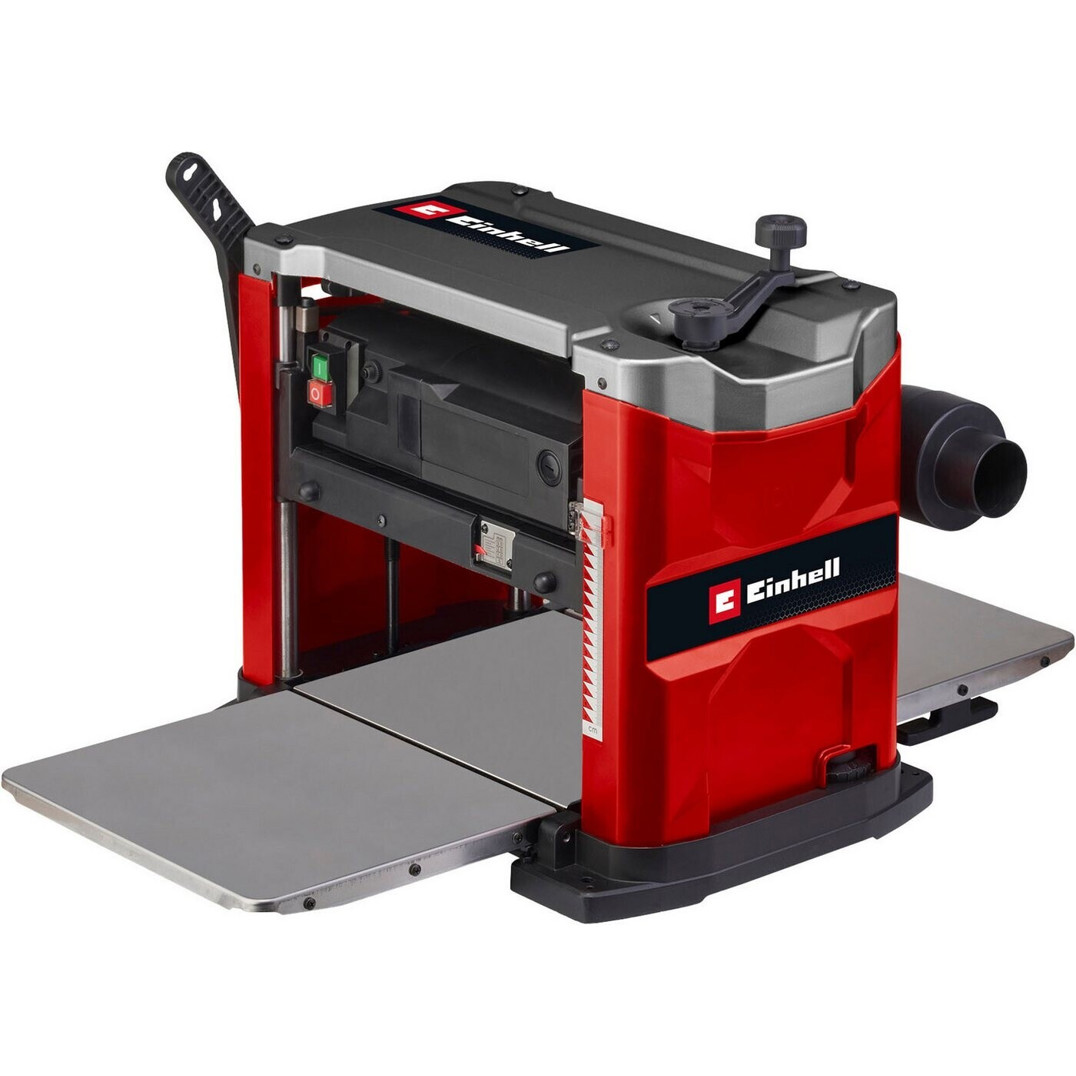
| Advantage | Description |
|---|---|
| Precision | Manual planing permits higher control over the cut, resulting in a high degree of precision. |
| Ability Development | Working with manual tools can boost a woodworker’s skills and understanding of materials. |
| No Power Required | Ideal for locations without electrical energy or for woodworkers choosing a traditional technique. |
| Lower Cost | Manual tools normally have a lower upfront expense than electric ones, making them available for hobbyists. |
| Quiet Operation | Unlike electric planers, manual machines operate calmly, making them appropriate for close-quarter work. |
Maintenance of Manual Planing Machines
To guarantee longevity and ideal performance, regular maintenance of manual planing machines is important. Here are a number of tips for keeping these tools in top shape:
- Blade Maintenance: Regularly sharpen the blades to keep cutting performance. Utilize a sharpening guide for consistency.
- Cleaning up: After each use, clean any sawdust and resin accumulation to prevent rust and guarantee smooth operation.
- Storage: Store the planes in a dry environment to avoid rusting. Use protective covers if available.
- Inspect for Damage: Inspect the tool frequently for any signs of damage or wear, particularly the blade and lateral adjustment systems.
- Wood Selection: Planing green or wet wood can damage the blades; always select skilled wood for best outcomes.
Regularly Asked Questions (FAQs)
Q1: Can I utilize a manual planer on wood?
A1: Yes, manual planers can be used on wood. However, it might need more effort compared to softer woods, and you may need to sharpen the blades more regularly.
Q2: What is the difference in between a hand airplane and a block airplane?
A2: A hand aircraft refers to a general category of manual planers, while a block aircraft is a specific type that is smaller, has a lower angle of the blade, and is geared towards end-grain trimming.
Q3: How do I choose the right size of manual aircraft for my task?
A3: The size of the manual plane should match the size of the wood being worked on. For bigger surfaces, a jack airplane or jointer plane is preferred, while smaller pieces may just need a block aircraft.
Q4: Are manual planers still appropriate in modern woodworking?
A4: Absolutely! Lots of woodworkers value the skill, control, and precision that manual planing offers, making these tools vital for high-quality craftsmanship.
Q5: How do I understand when to hone my planer blades?
A5: If you observe increased resistance while planing or a tearing of wood fibers instead of a clean cut, it’s time to sharpen the blades.
Manual planing machines are an indispensable part of the woodworking trade. Their capability to supply precision, control, and a connection to standard methods makes them an important tool for both amateur and skilled woodworkers alike. Comprehending their types, advantages, and upkeep requirements makes it possible for craftsmen to harness the full capacity of these machines in their woodworking pursuits. With proficient use and proper care, manual planing remains relevant in an age controlled by powered tools, commemorating the artistry and workmanship that woodworking embodies.