


Hob And Oven
Добавяне на преглед СледвайПреглед
-
Дата на основаване август 25, 1902
-
Сектори Accounting
-
Публикувани работни места 0
-
Прегледани 46

Описание на компанията
The 10 Most Terrifying Things About Ovens Sales
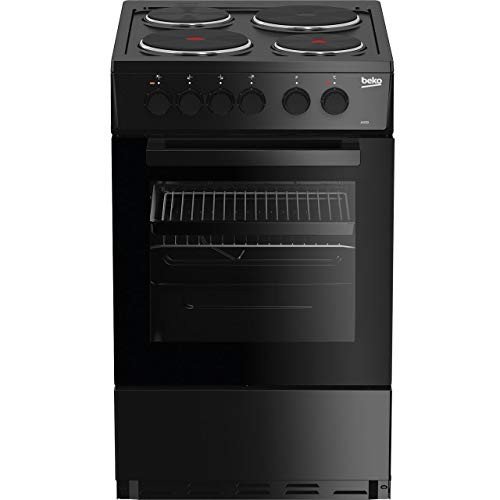
The Boom in Oven Sales: Trends, Factors, and Future Outlook
Introduction
The world of kitchen home appliances is continuously developing, with trends affected by way of life changes, technological advancements, and consumer preferences. Amongst the range of kitchen gadgets, ovens hold an unique location as vital devices for both cooking enthusiasts and daily home cooks. In recent years, oven sales have seen a significant surge, driven by different factors. This post checks out the trends and insights surrounding the sales of ovens, taking a look at the various types readily available, consumer choices, and the ramifications for producers and sellers.
The Surge in Oven Sales
Oven sales have increased considerably over the last years, reflecting more comprehensive modifications in society. Elements adding to this trend include:
-
Increased Home Cooking: The COVID-19 pandemic accelerated a shift towards home cooking, as people spent more time indoors. This pattern resulted in increased financial investments in quality kitchen devices, including ovens.
-
Health and Wellness Trends: Consumers are ending up being more health-conscious, prompting a rise in cooking at home. Ovens that supply much healthier cooking options, such as steam ovens and air fryers, have seen a significant boost in demand.
-
Technological Advancements: Smart ovens geared up with Wi-Fi connection and advanced cooking functions have captivated tech-savvy consumers. These innovations offer benefit and performance, additional increasing sales.
-
Sustainability Concerns: Environmentally-conscious consumers are choosing energy-efficient appliances, driving the marketplace for modern-day ovens developed to lessen energy use.
Types of Ovens on the marketplace
The variety of ovens sales (Https://www.Katelynwebb.top) available today accommodates different cooking designs, choices, and requires. Here’s an extensive look at the types of ovens currently shaping the marketplace:
1. Standard Ovens
- Range Ovens: Traditional built-in ovens found in the majority of cooking areas, typically paired with stovetops.
- Wall Ovens: Built into the wall, providing extra cooking space and flexibility in kitchen design.
2. Convection Ovens
- Utilize a fan to flow hot air, promoting even cooking and browning. Suitable for baking and roasting.
3. Microwave Ovens
- Integrate microwave and conventional heat for flexible cooking choices. Quick cooking times make them popular in modern-day kitchen areas.
4. Steam Ovens
- Use steam to prepare food, protecting nutrients and resulting in healthier meals. Popular among health-conscious consumers.
5. Smart Ovens
- Geared up with IoT innovation, these ovens can be managed from another location by means of mobile phone apps. They typically have predetermined cooking modes to simplify meal preparation.
6. Air Fryers
- A hot pattern that has actually emerged as a smaller sized, counter top option to standard ovens, permitting much healthier frying with very little oil.
Consumer Preferences
Comprehending customer choices is crucial for makers and sellers. Recent surveys and research studies suggest several key patterns among buyers:
Key Preferences
- Speed and Convenience: Many customers prioritize home appliances that offer quick cooking times and ease of usage.
- Flexibility: Ovens that can perform multiple functions, such as baking, broiling, and air frying, are significantly favored.
- Smart Features: As innovation advances, more customers are leaning towards clever cooking areas and devices that integrate with home automation systems.
- Design and Aesthetics: The visual appeal and style of kitchen appliances play a significant function in customer choice, with stainless-steel and minimalist styles trending.
- Energy Efficiency: Growing issues about the environment have actually caused higher need for energy-efficient designs, and consumers want to purchase devices that show this preference.
Here’s a summary of customer preferences based upon current market reports:
| Preference Type | Percentage of Consumers Choosing This Option |
|---|---|
| Speed and Convenience | 74% |
| Versatility | 68% |
| Smart Features | 62% |
| Design and Aesthetics | 55% |
| Energy Efficiency | 70% |
The Future of Oven Sales
As patterns continue to progress, the future of oven sales appears appealing. Numerous elements are anticipated to drive development:
Emerging Trends
- Modification: An approach personalized ovens permitting consumers to choose features and looks that mix with their distinct kitchen designs.
- Sustainable Options: An uptick in producers producing sustainable and environment-friendly choices to cater to environmentally-conscious customers.
- Combination of AI: The usage of synthetic intelligence in ovens will improve cooking procedures by suggesting recipes based upon readily available ingredients and user choices.
Difficulties Ahead
While the outlook for oven sales is mostly positive, manufacturers face several difficulties:
- Intense Competition: Increasing competition in the kitchen home appliance market demands continuous development.
- Supply Chain Issues: Global supply chain disturbances can impact item schedule, affecting sales.
- Customer Budget Constraints: Economic factors might influence consumer spending on high-end and smart appliances.
Often Asked Questions (FAQs)
Q1: What includes should I look for when buying a new oven?A: Look for speed and benefit functions, flexibility, energy performance, smart functionalities, and design aesthetics that match your kitchen.
Q2: Are smart ovens worth the financial investment?A: Yes, wise ovens use added benefit through remote control, dish tips, and customizable settings, making cooking more effective.
Q3: Do steam ovens cook food quicker than traditional ovens?A: While steam ovens can cook some foods much faster, cooking times differ based on the kind of food being prepared. They do, however, help retain moisture and nutrients.
Q4: Are air fryers healthier than conventional frying methods?A: Yes, air fryers use substantially less oil than conventional frying, making them a healthier choice for cooking fried foods.
Q5: How can I ensure my oven is energy-efficient?A: Look for designs with the ENERGY STAR label and utilize features like power-saving modes to lessen energy intake.
The surge in oven sales highlights a shift in customer habits and preferences, stressing the importance of cooking at home and the integration of innovation into kitchen devices. As customers end up being more critical with their choices, producers and sellers need to adjust to meet evolving requirements. The future of oven sales looks intense, with innovative products set to reinvent cooking routines and boost the cooking experience. As consumers invest in finely crafted and feature-rich ovens, the world of cooking will continue to experience exciting advancements.