


Foldable Ramps For Wheelchairs
Добавяне на преглед СледвайПреглед
-
Дата на основаване октомври 1, 1990
-
Сектори Sales
-
Публикувани работни места 0
-
Прегледани 2

Описание на компанията
Guide To Wheel Chair Ramp: The Intermediate Guide For Wheel Chair Ramp
Understanding Wheelchair Ramps: A Comprehensive Guide
In today’s world, accessibility is not simply a legal requirement however a fundamental aspect of dealing with self-respect and self-reliance. Amongst the key components facilitating access for those with mobility challenges is the wheelchair ramp. This necessary structure can be found in numerous places, including homes, public buildings, and parks. This post will take a deep dive into the types of wheelchair ramps, their benefits, installation factors to consider, and maintenance.
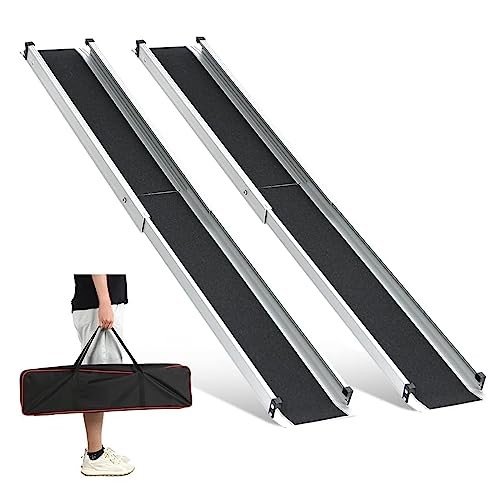
What is a Wheelchair Ramp?
A wheelchair ramp is a sloped surface or structure that permits individuals who use wheelchairs, scooters, or other mobility gadgets to navigate physical barriers such as steps, curbs, and even irregular terrain. The primary objective of a wheelchair ramp is to supply a seamless shift from one level to another, ultimately promoting independence for people with mobility difficulties.
Kinds Of Wheelchair Ramps
Wheelchair ramps been available in different designs, each designed for specific needs and environments. The following table sums up typically used types of ramps:
| Type of Ramp | Description | Finest Use Cases |
|---|---|---|
| Permanent Ramps | Constructed into the structure utilizing wood, concrete, or metal | Homes, commercial structures, public centers |
| Portable Ramps | Lightweight and foldable, typically made from aluminum | Temporary needs, travel, and occasions |
| Limit Ramps | Little ramps created for entrances and transitions | Residences, little steps, and doors |
| Modular Ramps | Pre-fabricated areas that can be assembled and tailored | Long-term ease of access options |
| Wheelchair Lifts | Vertical platform raises installed in little spaces | Tight areas, multi-story buildings |
Benefits of Wheelchair Ramps
Purchasing wheelchair ramps uses many advantages, not only for the user but likewise for society as a whole. Consider the following benefits:
-
Independence: Ramps empower people with mobility challenges to access their environments easily without relying on others for assistance.
-
Safety: Properly designed ramps minimize the threat of mishaps and injuries that might accompany stairs and irregular surface areas.
-
Increased Accessibility: Wheelchair ramps make locations like organizations, parks, and homes more accessible to everybody, consisting of individuals with temporary disabilities, moms and dads with strollers, and elderly people.
-
Enhanced Quality of Life: Accessible areas add to social addition, enhancing the overall lifestyle for people with mobility issues.
-
Compliance with Laws and Regulations: Installing ramps makes sure compliance with the Americans with Disabilities Act (ADA) and other regional availability laws.
Setup Considerations
Developing a wheelchair ramp requires cautious planning and execution. Below is a list of critical aspects to consider:
-
Slope Ratio: The suggested slope for wheelchair ramps is 1:12 (for each inch of vertical rise, there ought to be at least 12 inches of ramp length). A steeper slope can be hazardous for users.
-
Products: Choose suitable materials based upon the type of ramp you require. Alternatives include dealt with wood, aluminum, and concrete, each having its pros and cons.
-
Width: A ramp should be at least 36 inches large to accommodate a common wheelchair comfortably.
-
Landing Areas: Level landings are needed at the top and bottom of the ramp, enabling users to maneuver safely.
-
Surface area Texture: The ramp’s surface must supply appropriate grip, specifically in rainy or snowy weather.
-
Local Codes and Permits: Check regional regulations regarding ramp setups, as licenses might be required.
Maintenance of Wheelchair Ramps
To make sure a wheelchair ramp remains safe and functional, regular upkeep is required. Consider the following pointers for maintenance:
-
Check for Wear and Tear: Periodically inspect the ramp for signs of damage, such as fractures, damaged boards, or rust.
-
Keep Clean: Remove debris, snow, and ice to keep a safe surface.
-
Repair Promptly: Fix any damage instantly to avoid mishaps.
-
Strengthen if Needed: As the ramp ages, consider reinforcing locations that might require additional support.
Often Asked Questions (FAQs)
1. Do I require a permit to set up a wheelchair ramp?
While norms can differ based upon your area, it’s constantly finest practice to check regional building regulations and get a permit if required.
2. What is the maximum slope for a wheelchair Wheel Chair Ramp – earliedenherder.top -?
The ADA suggests an optimum slope of 1:12 for wheelchair ramps. For shorter ramps (less than 30 inches rise), a slope of 1:10 is allowable.
3. How large should a wheelchair ramp be?
A standard wheelchair ramp should be at least 36 inches broad.
4. Are portable ramps safe?
Yes, as long as they are built properly and utilized according to the producer’s guidelines. Constantly guarantee they are stable before use.
5. What materials are best for wheelchair ramps?
Typical materials consist of dealt with wood, aluminum, and concrete. The choice depends upon the ramp’s planned usage and budget.
6. Can wheelchair ramps be set up inside?
Yes, wheelchair ramps can be installed inside your home, specifically in multi-story buildings or homes with steps.
Wheelchair ramps play a crucial role in helping with access and promoting independence for individuals with mobility challenges. Their benefits extend beyond the private to boost community inclusiveness and security. Understanding the different types of ramps, setup considerations, and the value of upkeep can empower people and caregivers to make informed decisions. Whether you are thinking about setting up a ramp at your home, workplace, or any common space, purchasing availability is a step towards a more inclusive society.