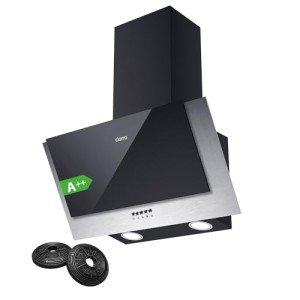
Cooker Extractor Fan
Добавяне на преглед СледвайПреглед
-
Дата на основаване май 16, 1903
-
Сектори Telecommunications
-
Публикувани работни места 0
-
Прегледани 54

Описание на компанията
What’s Holding Back In The Chimney Cooker Hoods Industry?
Understanding Chimney Cooker Hoods: A Comprehensive Guide
Chimney cooker hoods have become a staple in modern kitchens, merging performance with elegant visual appeals. These ventilation systems are created to get rid of smoke, smells, and air-borne grease from the kitchen, improving air quality while matching kitchen décor. In this article, we will check out different aspects of chimney cooker hoods, their benefits, types, setup pointers, and upkeep recommendations.
What is a Chimney Cooker Hood?
A chimney cooker hood, frequently called a chimney hood, is a kitchen device installed above the cooking range to extract smoke, grease, steam, and smells while cooking. Its style features a vertical structure resembling a chimney, offering it its name. These hoods can be ducted (venting air outside) or recirculating (filtering and reestablishing air), catering to differing kitchen setups.
Secret Features of Chimney Cooker Hoods
| Function | Description |
|---|---|
| Design | Smooth and modern, fits numerous kitchen styles |
| Sizes | Offered in several widths and heights |
| Filters | Normally equipped with grease and charcoal filters for optimal performance |
| Controls | May include buttons, touch, or remote controls |
| Lighting | Functions integrated lighting for better presence while cooking |
Advantages of Using Chimney Cooker Hoods
-
Improved Air Quality: Chimney hoods successfully get rid of harmful vapors, making sure a healthier cooking environment.
-
Smell Elimination: They help eliminate cooking smells, avoiding them from settling in furnishings or upholstery.
-
Grease Reduction: A chimney hood limitations grease accumulation on surface areas, making kitchen cleansing easier.
-
Enhances Kitchen Aesthetics: Available in numerous styles, they can serve as a centerpiece in kitchen design.
-
Increased Kitchen Comfort: By enhancing air blood circulation, they make cooking more enjoyable, especially in confined kitchen spaces.
Types of Chimney Cooker Hoods
Chimney hoods come in different types, each designed to match particular needs. Here are the most typical types:
| Type | Description | Pros | Cons |
|---|---|---|---|
| Wall-Mounted | Set up against a wall above the cooking range. | Space-saving, elegant, and flexible. | Requires wall area; might be more expensive. |
| Island | Suspended from the ceiling above an island cooking range. | Provides visual appeal and efficient ventilation. | Installation can be intricate; higher cost. |
| Under-Cabinet | Installed under kitchen cabinets. | Suitable for kitchens with restricted area. | Less aesthetic appeal; may restrict air flow. |
| Built-In | Integrated into kitchen cabinets for a smooth look. | Surprise style, makes the most of space. | Normally more expensive; might restrict power. |
Installation Tips for Chimney Cooker Hoods
Setting up a chimney cooker hood can be a straightforward process, but appropriate standards should be followed. Here is a list of important setup tips:
-
Select the Right Height: The perfect height for installation is generally in between 26-30 inches above the cooking surface.
-
Consider the Ductwork: Ensure adequate ducting is in place if you choose a ducted model. Short, straight duct runs minimize loss of suction.
-
Confirm Electrical Needs: Check the hood’s requirements for electrical requirements and make sure correct wiring.
-
Follow Manufacturer Instructions: Each brand may have unique procedures; constantly refer to the manufacturer’s guide.
-
Secure Proper Ventilation: Ensure appropriate ventilation outside the home for ducted hoods, preventing backdrafts.
Frequently Asked Questions About Chimney Cooker Hoods
1. How do I understand which size chimney hood to purchase?To determine the appropriate size, think about the width of your cooking range. The hood must match or be slightly larger than the cooking device, typically 3-6 inches wider.
2. Do chimney hoods work without ducting?Yes, recirculating (non-ducted) models can filter and cleanse the air before releasing it back into the kitchen. Nevertheless, they might be less effective than ducted versions.
3. How often should I clean the filters?It’s suggested to tidy grease filters every month and replace charcoal filters around every 6 months, depending on use.
4. Can chimney hoods be used over all kinds of cookers?The majority of designs are suitable for gas and electrical cookers. However, inspect the producer’s standards to make sure compatibility.
5. What is the average cost of chimney cooker hoods?Costs differ substantially, ranging anywhere from ₤ 100 for standard designs to over ₤ 2,000 for high-end, designer versions.
Maintenance of Chimney Cooker Hoods
To guarantee durability and efficient efficiency of chimney cooker hoods, regular upkeep is necessary. It can avoid breakdowns and preserve optimal duct efficiency.
Maintenance Checklist
- Clean the Filters: Remove and clean grease filters frequently.
- Inspect the Fan: Inspect and clean the fan and motor to guarantee they function correctly.
- Inspect Ductwork: Periodically examine ducts for clogs or buildup.
- Polish the Surface: Use appropriate cleaning products to prevent scratches and keep shine on the outside.
- Test the Lighting: Regularly inspect light functions and change burnt-out bulbs quickly.
Chimney cooker hoods are an essential part of modern kitchen style and functionality. They improve the cooking experience while efficiently improving air quality. With numerous designs and choices available, finding the best chimney hood to fit your requirements becomes an achievable task. By comprehending their types, benefits, and upkeep, one can make educated choices, ensuring a perfectly ventilated kitchen for years to come.