


Cheap Fireplaces Online
Добавяне на преглед СледвайПреглед
-
Дата на основаване септември 9, 1970
-
Сектори Education Training
-
Публикувани работни места 0
-
Прегледани 4

Описание на компанията
Guide To Buy Fireplace UK: The Intermediate Guide In Buy Fireplace UK
A Comprehensive Guide to Buying Fireplaces in the UK
The appeal of a fireplace is indisputable. It stimulates heat, nostalgia, and a sense of comfort that couple of home functions can match. Whether it’s for heating your home throughout wintry winter days or functioning as a trendy centerpiece in your living-room, fireplaces have actually become significantly popular in the UK. Nevertheless, the process of purchasing a fireplace can be frustrating, offered the myriad of choices offered. This guide will provide an extensive introduction of the types of fireplaces, aspects to consider, and the installation process in the UK.
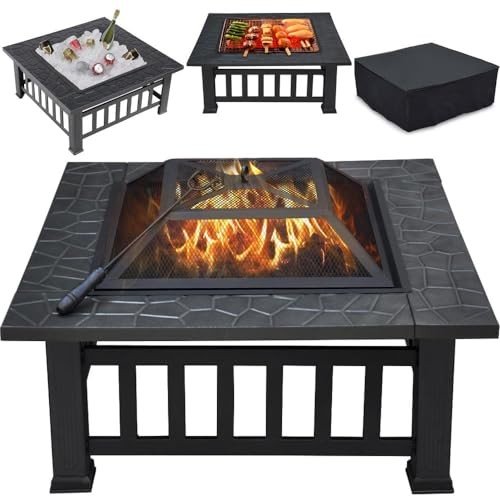
Types of Fireplaces
When it concerns choosing a fireplace, the alternatives can be categorized into several types, each with its advantages and downsides. Below is a table that details the main kinds of fireplaces discovered in the UK.
| Fireplace uk Type | Description | Pros | Cons |
|---|---|---|---|
| Wood-Burning | Utilizes logs or other forms of wood as fuel. | Eco-friendly fuel source, aesthetic appeal, excellent heating capacity. | Needs a chimney, upkeep, and storage for wood. |
| Gas | Utilizes gas or lp. | Easy to use, efficient heating, no ashes or wood storage. | Requires gas line installation, possible security concerns if not kept track of. |
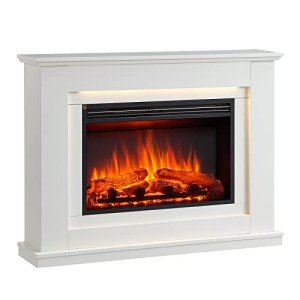
| Electric | Runs utilizing electrical power to develop heat and flame result. | Easy installation, no need for a chimney, can be moved easily. | Greater operating expenses, less authentic feel compared to wood or gas. |
| Bioethanol | Uses bioethanol as fuel and does not need a chimney. | Eco-friendly, easy to set up, modern styles. | Restricted heating capability, ongoing fuel expenses, needs ventilation. |
| Pellet | Utilizes compressed wood or biomass pellets. | Efficient and environmentally friendly, automatic feeding system. | Requires more installation space, counts on electricity for automation. |
Aspects to Consider When Buying a Fireplace
Before purchasing, a number of crucial aspects ought to be completely considered. Here’s a breakdown:
1. Design and style
Fireplaces are available in numerous designs that can match your home’s interior, including standard, contemporary, and rustic styles.
2. Size and Space
The size of the fireplace ought to refer the dimensions of the space. A little fireplace might look out of place in a big living room, and vice versa.
3. Fuel Type
Picking the ideal fuel type based on convenience, cost, and preference is essential. For example, wood-burning fireplaces offer a conventional feel however need more maintenance than electric ones.
4. Setup Requirements
Certain fireplaces require particular installations. Gas and wood-burning fireplaces typically require chimneys or flues, while electrical designs can typically be plugged into a basic outlet.
5. Heating Efficiency
Consider the effectiveness of the fireplace. Wood-burning and pellet fireplaces might provide better heating in larger spaces, while electric heating systems are outstanding for smaller sized locations.
6. Security Regulations
In the UK, there are regulations concerning the installation of gas and wood-burning fireplaces. It’s important to utilize licensed professionals to make sure safety.
7. Budget
Fireplaces can vary considerably in rate. Think about both the initial expenses of the fireplace and the long-term expenses of fuel and upkeep.
Installation Process
The installation procedure of fireplaces varies depending on the type chosen. Here’s a short summary of the installation actions for different fireplace types:
| Fireplace Type | Setup Steps |
|---|---|
| Wood-Burning | 1. Select an area 2. Install chimney/flue 3. Develop a firebox 4. Finish with non-combustible products. |
| Gas | 1. Check for gas supply 2. Set up gas line 3. Set up the fireplace unit 4. Test for leakages. |
| Electric | 1. Select a place 2. Plug in or hardwire 3. Install mantel or surround (if relevant). |
| Bioethanol | 1. Choose a place 2. Guarantee ventilation 3. Establish the system. |
| Pellet | 1. Prepare installation website 2. Connect to electrical power 3. Install exhaust system. |
Often Asked Questions (FAQ)
Q1: What is the most effective type of fireplace?
A1: Pellet ranges are often considered the most efficient due to their automated feeding system and lower emissions. Nevertheless, gas and wood-burning fireplaces can also be efficient if effectively kept.
Q2: Do I require an expert to install my fireplace?
A2: Yes, it is highly suggested to work with a certified expert for gas and wood-burning fireplaces due to security regulations and the intricacy of setup.
Q3: Can I set up an electric fireplace anywhere?
A3: Generally, yes, electric fireplaces can be installed in most places without the requirement for a chimney or vent, offered there are electrical outlets offered.
Q4: How do I keep my fireplace?
A4: Maintenance differs by type. Wood-burning fireplaces require routine cleansing of ashes and flue assessments, gas fireplaces require checking for leaks, while electrical systems should be cleaned routinely for ideal performance.
Q5: What are the costs related to fireplaces in the UK?
A5: Costs can range substantially depending upon the type and brand, from a few hundred to a number of thousand pounds. Continuous expenses will consist of fuel, upkeep, and possible installation charges.
Purchasing a fireplace for your home is a considerable choice that can boost your area visually and offer warmth and convenience. By understanding the various types, setup requirements, and maintenance needs, purchasers can make educated choices that fit their homes and way of lives. Whether going with a wood-burning, gas, electric, bioethanol, or pellet fireplace, the right selection can transform any living space into a relaxing sanctuary. Constantly keep in mind to focus on security and follow local guidelines to enjoy your fireplace for many winters to come.