


Best Fireplace
Добавяне на преглед СледвайПреглед
-
Дата на основаване април 17, 1907
-
Сектори Health Care
-
Публикувани работни места 0
-
Прегледани 3

Описание на компанията
Fireplace 10 Things I’d Like To Have Known Sooner
The Timeless Charm of Fireplaces: A Comprehensive Guide
Fireplaces have actually been an important part of human history, supplying heat, cooking facilities, and a gathering place for families. Regardless of the advent of modern heating systems, fireplaces continue to capture the hearts of property owners and designers alike. This article explores the different types of fireplaces, their historic significance, benefits, and factors to consider when picking the ideal fireplace for your home.

Table of Contents
- Historical Significance of Fireplaces
- Kinds of Fireplaces
- 2.1 Wood-Burning Fireplaces
- 2.2 Gas Fireplaces
- 2.3 Electric Fireplaces
- 2.4 Pellet Stoves
- Benefits of Having a Fireplace
- Factors to consider for Choosing a Fireplace
- FREQUENTLY ASKED QUESTION
- Conclusion
1. Historic Significance of Fireplaces
The fireplace dates back thousands of years, originally serving as an important source for cooking and heating in ancient homes. The earliest known fireplaces were easy pits went into the ground, used by early humans for warmth and food preparation. As architectural designs progressed, fireplaces became more advanced, often functioning as the centerpiece of living areas.
Table 1: Evolution of Fireplaces Through the Ages
| Time Period | Fireplace Type | Materials Used | Secret Features |
|---|---|---|---|
| Ancient | Open Fire Pit | Stone, Earth | Basic heat source, cooking |
| Ancient Rome | Stone Hearth | Marble, Brick | Ornamental elements; large and common |
| Middle Ages | Big Open Hearth | Stone, Timber | Used for cooking and heating; main function |
| 18th Century | Wood-Burning Mantelpiece | Wood, Brick, Cast Iron | Ornamental mantels; focus on aesthetic appeals |
| 20th Century | Gas and Electric Fireplaces | Steel, Glass | Convenience; varied designs |
2. Types of Fireplaces
When it comes to selecting a fireplace, numerous types are available, each with its distinct attributes and benefits:
2.1 Wood-Burning Fireplaces
Wood-burning fireplaces are the traditional option, using a sentimental experience with crackling logs and the odor of burning wood. They provide excellent heating, however they require more maintenance and a flue system for venting smoke.
2.2 Gas Fireplaces
Gas fireplaces are a modern and convenient alternative. They can be vented or Direct vent fireplace-free and use gas or propane. With easy ignition and controllable heat, they are a favorite among property owners looking for performance.
2.3 Electric Fireplaces
Electric fireplaces have actually gained popularity for their ease of installation and absence of need for venting. They produce a flame-like impact, often readily available with personalized settings, but they usually do not provide as much heat as wood or gas fireplaces.
2.4 Pellet Stoves
Pellet stoves are an eco-friendly choice that burns compressed wood pellets. They immediately feed pellets into the combustion chamber, making them efficient and simple to utilize. Pellet stoves are likewise understood for their low emissions.
Table 2: Comparison of Fireplace Types
| Type | Fuel Source | Installation Cost | Maintenance Level | Heat Output |
|---|---|---|---|---|
| Wood-Burning | Wood | Moderate to High | High | High |
| Gas | Natural Gas/Propane | Moderate | Low | Moderate |
| Electric | Electricity | Low | Really Low | Low |
| Pellet | Wood Pellets | Moderate | Moderate | Moderate to High |
3. Advantages of Having a Fireplace
Fireplaces use many advantages that exceed just heat. Here are some engaging reasons to think about installing one in your house:
- Aesthetic Appeal: Fireplaces can boost the visual appeal of a space and act as a focal point in style schemes.
- Increased Home Value: A properly designed fireplace can increase the resale worth of a home.
- Functional Heat Source: Fireplaces can supply heat throughout power blackouts, especially wood-burning ones.
- Developing Atmosphere: The atmosphere of a crackling fire can produce a cozy, welcoming atmosphere.
- Versatility: Fireplaces can be set up in different settings, from standard to contemporary styles.
4. Considerations for Choosing a Fireplace
Selecting the best fireplace for your home involves several considerations:
- Space: Evaluate the size and design of the room where the fireplace will be set up. Some fireplaces require more area for venting and installation.
- Fuel Type: Determine which fuel source aligns with your lifestyle and schedule. Wood might need more effort, while gas and electrical alternatives offer benefit.
- Style: Choose a style that matches the existing decoration of your home. From sleek modern styles to captivating rustic looks, there are numerous choices offered.
- Cost: Consider both setup and operational costs. While wood-burning fireplaces might have a higher initial cost, gas and electric fireplaces usually have lower maintenance.
- Regional Regulations: Check regional structure codes and policies concerning fireplace installation and venting requirements.
5. FREQUENTLY ASKED QUESTION
What is the most effective kind of fireplace?
Gas fireplaces are normally considered the most effective, as they offer constant heat without the requirement for comprehensive upkeep. However, modern wood-burning stoves can also be extremely effective with appropriate style.
How typically should I clean my fireplace?
For wood-burning fireplaces, it is advised to have them professionally cleaned and checked a minimum of once a year. Gas and electric fireplaces require less frequent maintenance, but should still be looked for security periodically.
Can I install a fireplace in any room?
The expediency of installing a fireplace depends upon the space size, existing structure, and regional building regulations. It’s always best to speak with an expert contractor.
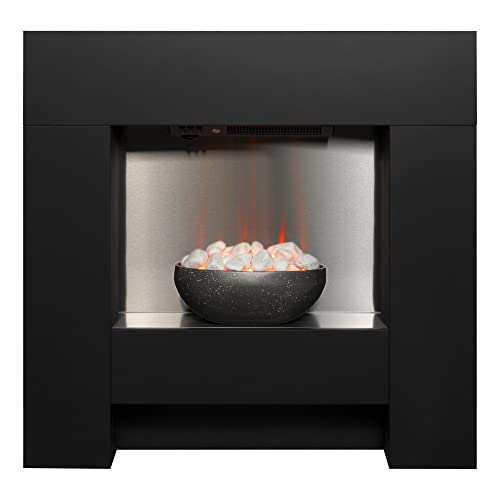
Do electric fireplaces produce real heat?
Electric fireplaces create heat using electric coils, however they produce a flame-like result through LED lighting. While they can offer heat, they are typically less effective than wood or gas fireplaces.
6. Conclusion
Fireplaces are much more than heating home appliances; they give comfort, visual appeal, and historical significance. From wood-burning fireplaces that stimulate fond memories to modern electric options that offer convenience, there is a type for every single home and way of life. By thinking about the different types and factors included in choosing a fireplace, homeowners can enjoy the countless advantages that feature this timeless feature. Whether it’s practicality, appeal, or environment, a well-chosen fireplace can change any space into a warm and inviting retreat.